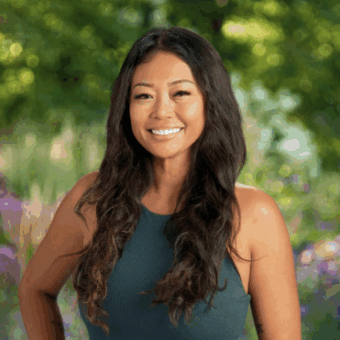
Donna Soriano
- Island: Oahu
- District: Leeward
- Class: STEM - Computer Science & Engineering Design Teacher
- Years of Teaching: 10
- Field/Office: Wai'anae Elementary
- Complex Area: Nānākuli-Waiʻanae
- Home Town: Waipahu, Hawai'i
What do you think is the Hawaii Department of Education’s greatest strength?
As a proud product of Hawai’i’s public school system, I believe its greatest strength lies in its diversity and sense of community. Our schools reflect the cultural richness of our islands — where students of all backgrounds learn not only academics, but the values of aloha, respect, and resilience. As someone who walked the halls as a student and now serves as an educator, I’ve seen how our system uplifts students like me — who may be the first in their families to dream big and break barriers. It’s this deep-rooted connection to community, the acknowledgment of our unique cultural identities, and the commitment to equity that makes our public education system not just a place of learning, but a place of belonging and transformation.
What do you think is the greatest strength about the complex area that you work in? What is your complex area known for?
The greatest strengths we possess are our deep-rooted sense of resilience, community, and pride. Despite all of the challenges, our students, families, and educators show up with heart and commitment every single day. There’s a strong connection between school and ʻohana — where relationships matter and students are seen, heard, and valued. Our complex area is known for its tight-knit communities, strong cultural identity, and a fierce love for the west side. Whether it’s through Hawaiian values, place-based learning, or family engagement, we strive to uplift the whole child — academically, socially, and emotionally.
What makes your particular school special or distinctive?
What makes our school special is our keiki — they bring so much life, curiosity, and strength into our classrooms. Many come from multi-generational households, rich in culture and tradition, and we honor that by making learning meaningful and connected to their lives in Waiʻanae. Our school creates a space where students feel seen, safe, and supported — where their voices matter and their experiences are valued. Whether it’s through their core content studies, STEM, or social-emotional learning, we meet our students where they are and try our best to help them grow into confident, capable individuals. To me, it isn’t just about academics — it’s about raising good-hearted, community-minded learners who are proud of where they come from and excited for where they’re going.
What are two main challenges you face or teachers in general face as an educator in Hawaiʻi?
Housing, transportation, and basic necessities can place a financial strain, especially for those supporting families. As a result, many passionate and talented educators leave the classroom — which affects stability and continuity for our students. Also, many of our students face complex challenges, including poverty, trauma, and lack of access to healthcare or academic support outside of school. Teachers work hard to meet not just academic needs, but also social-emotional and basic needs — often with limited time, staff, and resources. Despite these challenges, we do everything we can because our students deserve the best.
What are the qualities that make a Hawaiʻi State Department of Education teacher successful?
In Hawaiʻi, being a successful teacher means serving with both head and heart, and always remembering that teaching here is rooted in community, kuleana, and aloha.
What words would you use to describe your students?
In my STEM class, students are resilient problem-solvers who approach challenges with curiosity and determination. They bring their unique perspectives and creativity into every project, whether they’re building, coding, or exploring the world around them. Rooted in culture and community, they make meaningful connections between STEM concepts and real-life experiences here in Waiʻanae. Their enthusiasm, innovation, and willingness to take risks make them true 21st-century learners — and I have no doubt they’ll grow into the next generation of local leaders, engineers, scientists, and changemakers.
What is unique and/or special about the school you work at? What do you enjoy most about teaching there?
What I enjoy most about teaching here is seeing how resilient, creative, and full of potential our students are — especially in STEM. They light up when given the chance to explore, build, and problem-solve in ways that connect to their lives and culture. Being able to guide and learn alongside them, is both a privilege and a joy.
What are some fun activities that individuals enjoy doing outside school hours within the COMPLEX AREA that you represent?
Many spend time at the beach — swimming, surfing, stand-up paddleboarding, fishing, or simply relaxing with ʻohana at places like Pokai Bay and Māʻili. Hiking scenic trails like Maʻili Pillbox or Kaʻena Point is also a favorite, especially to catch breathtaking west side sunsets. Canoe paddling is a cherished tradition, with many families involved in local canoe clubs that help keep Hawaiian culture alive. Sports play a big role too, with youth participating in football, basketball, cheer, and wrestling leagues that bring the community together. Cultural events, hula, and church gatherings are also central to life here, often followed by backyard BBQs or potlucks at the beach.
What are some fun activities that individuals enjoy doing outside school hours on the ISLAND that you work at?
FOOD is a big part of island life, so grabbing plate lunch from a local spot or hanging out at a food truck rally is always a hit. For families and students, after-school programs, sports leagues, and community events provide safe, fun spaces to grow and connect. Whether it’s catching a sunset at the beach or gathering for a weekend potluck, life on Oʻahu is full of meaningful ways to unwind, recharge, and celebrate local living.
What do you enjoy most about the students you teach in Hawaii?
What I enjoy most about the students I teach in Hawaiʻi is their genuine spirit, cultural pride, and deep sense of ʻohana. They bring their whole selves into the classroom — their stories, their laughter, their resilience — and create a learning environment that feels alive and meaningful.
What do YOU enjoy doing in your free time while in Hawaii?
In my free time, I love going to the beach, spending quality time with my husband, friends, and our cats, and enjoying the beauty of Hawaiʻi. I stay active through paddleboarding, canoe paddling, hiking, and golfing, which all help me feel connected to nature. I also enjoy relaxing with a good movie, visiting local food trucks, and gathering with family — those moments of connection, laughter, and ʻohana are what I value most.
What’s YOUR favorite local food on your island? How would you describe the food?
One of my favorite local foods on the island is squid luau over rice with a side of lomi salmon. Squid luau is rich and comforting — it’s made with tender squid simmered in creamy coconut milk and cooked down with young luau (taro) leaves until it’s velvety and full of flavor. Paired with rice, it’s the ultimate comfort food. I love having it with lomi salmon on the side — the cold, salty, and tangy mix of fresh tomatoes, onions, and salted salmon adds the perfect balance.
What’s your favorite place to eat on your island? What kind of food is it?
Highway Inn – Local Hawaiian Food in Waipahu
What are some housing tips that you could recommend for teachers relocating to Hawaii?
Traffic can be heavy depending on where you work. Living closer to your school may be more convenient, even if the rent is slightly higher. If you’re working on the west side, try looking in Nānākuli, Waiʻanae, Kapolei, or Makakilo.
What advice would you give to a new teacher who wants to work in your complex for the Hawaii DOE in general?
My biggest advice to a new teacher joining the Nānākuli-Waiʻanae Complex — or the Hawaiʻi DOE in general — is to come in with an open heart, a humble mindset, and a strong sense of purpose. Our communities are filled with incredible strength, culture, and resilience, and building genuine relationships with students, families, and colleagues will be your foundation for success.