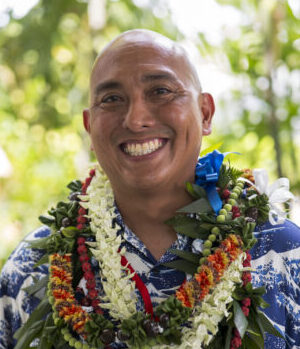
Chris Justo
- Island: Oahu
- Class: Agriculture Tech Elective Teacher
- Years of Teaching: 27
- Field/Office: Mililani Middle School
- Complex Area: Leilehua-Mililani-Waialua (LMW)
- Home Town: Aiea, HI
- District: Central
What do you love about teaching in Hawaiʻi?
Teaching in Hawaiʻi offers a truly unique place where students can learn deeply from both the ʻāina and the many cultures that reside here. The local culture fosters an environment grounded in appreciation, respect, and mutual support. It is fun to help students explore their community while exploring how traditional knowledge and modern learning connect to shape their world.
What do you value as a strength of the Hawaiʻi Department of Education?
A strength of the Hawaiʻi Department of Education is its strong commitment to culturally responsive, place-based education and STEAM learning. This approach allows educators to weave traditional ecological knowledge with modern science and technology, making lessons directly relevant to our students’ lives. By grounding learning in our local environment and community, the department empowers students to solve real-world challenges while honoring the place we live in.
What do you value as a strength of your particular school or office? What is your complex area known for?
At Mililani Middle School, our guiding vision is “Making Connections,” which drives everything we do. Our complex area excels at creating meaningful opportunities for teachers to cross-collaborate, share best practices, and support one another across grade levels and disciplines. This strong network of professional collaboration allows us to build cohesive learning experiences that help our students make deep connections between their academic subjects, their community, and their future careers.
What is unique/special about your school and/or community? What do you enjoy most about teaching there?
Mililani is a remarkably tight-knit, supportive community where families, schools, and local organizations actively look out for one another. Our students are deeply involved in local community service, youth programs, and civic initiatives, bringing that same energy into our school environment every day. What I enjoy most about teaching here is seeing how invested our students and families are in making Mililani a wonderful place to live in.
What are 2 main challenges you face (or you feel teachers face) as an educator in Hawaiʻi?
One of the primary challenges educators face in Hawaiʻi is balancing the heavy demands of teaching with personal well-being amidst a high cost of living. Additionally, teachers continuously navigate the challenge of adapting rich, place-based learning experiences within standardized curriculum requirements. Overcoming these hurdles requires strong peer collaboration, sufficient funding, and dedicated support systems across our school communities.
What are the qualities that make a Hawaiʻi Department of Education educator successful? Explain.
Successful Hawaiʻi Department of Education educators are resilient, humble, and deeply committed to lifelong learning. They work hard, is willing to learn from their mistakes, and actively build supportive networks for collaboration with fellow teachers. Most importantly, successful educators lead with empathy and respect, taking the time to understand the unique cultural backgrounds and needs of every student they serve.
What words would you use to describe your students? Explain.
My students are incredibly curious, insightful, and eager to make sense of the world around them. They are willing to engage in hands-on, real-world learning. Seeing the students grow as they go through the process of exploring new ideas and connecting classroom concepts to their everyday lives makes teaching them a truly rewarding experience every day.
Free time: What are some fun activities that people can enjoy doing outside school hours on the island that you work at?
Outside of school hours, Oʻahu offers endless outdoor activities like hiking scenic trails, mountain biking, and relaxing at world-class beaches. People can also give back to the community by volunteering at local loʻi (taro patches) and traditional loko iʻa (fishponds) to connect directly with the ʻāina and ocean. Also, exploring our vibrant local food scene and discovering hidden-gem eateries across the island is a favorite pastime for locals and visitors alike.
Free time: What are some fun activities that you personally enjoy doing on the island or complex area/neighborhood you work in?
In my free time, I love taking advantage of everything the outdoors has to offer here on Oʻahu, especially getting out on the water. I enjoy spending full days at the beach cooking out with my family, swimming, diving, snorkeling, and paddleboarding. Being out in nature and enjoying the ocean with family is my favorite way to recharge and appreciate the island lifestyle we are lucky to have.
What’s your favorite local food on your island? -OR- Where’s your favorite place to eat on the island? Describe the food!
My favorite place to eat on Oʻahu is The Alley at Aiea Bowl. They serve an incredible spread of local favorites, including crispy tasty chicken, tender kalbi, flavorful calamari, and their famous, comforting bowl of oxtail soup. It is the ultimate spot for delicious local comfort food.
What are some housing tips that you could recommend for teachers relocating to Hawaiʻi?
When searching for housing in Hawaiʻi, consider fee simple options, fixer-uppers, or looking in more rural areas where properties and rentals are often more affordable. Sharing a rental home with fellow relocating teachers is another smart way to keep living expenses low while building a supportive group. Taking time to research various neighborhoods and explore shared housing setups will help with the process in finding a place.
What advice would you give to a new teacher who wants to work in your complex area or for the Hawaiʻi DOE in general?
My best advice is to ask as many questions as possible, as there are always colleagues and mentors around willing to offer a helping hand. Focus on taking things one task at a time as you get acclimated to your new environment. Leaning on your school community and pacing yourself will make your transition both rewarding and manageable.