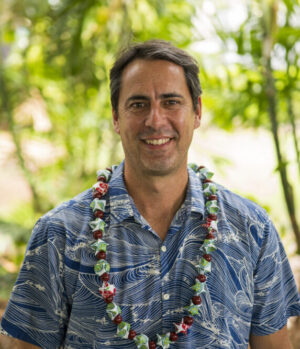
David Adler
- Island: Oahu
- District: Leeward
- Class: 6th Grade Teacher
- Years of Teaching: 24
- Field/Office: Nānākuli Elementary School
- Complex Area: Nānākuli-Waiʻanae
- Home Town: Waialua, HI
What do you love about teaching in Hawaiʻi?
Our culture of aloha is what motivates me most days. Sharing aloha with my students, especially on the good days, is very fulfilling.
What do you value as a strength of the Hawaiʻi Department of Education?
I think that communication and efforts to support teachers has improved dramatically over the past 20 years. I also think it is making some genuine effort to integrate Hawaiian values into our service philosophy.
What do you value as a strength of your particular school or office? What is your complex area known for?
The Nānākuli-Wai’anae Complex is particularly unique in its rooted Hawaiian culture and sense of belonging. It is composed of authentic people who endeavor to raise the bar for student success. My school is like a family… Everyone helps each other for the big and small things on any given day.
What is unique/special about your school and/or community? What do you enjoy most about teaching there?
My school is unique in regards to its location within a Hawaiian Homestead. The cultural pride and multi-generational identity shines strong. Once I was able to tap into the nuance and gifts of the community, my understanding and fulfillment grew.
What are the qualities that make a Hawaii State What are 2 main challenges you face (or you feel teachers face) as an educator in Hawaiʻi? of Education teacher successful?
The obvious challenge is cost of living, but it’s not a deal breaker if you plan accordingly and make smart choices. Another challenge (for some) is earning the respect and trust of your school community and families where you teach. It’s important to listen, be authentic, and let go of some ego.
What are the qualities that make a Hawaiʻi Department of Education educator successful? Explain.
It’s important that educators in Hawaii take the time to learn some of the critical history that has shaped many of the communities we serve. Whether it is historic trauma, socio-economic stress, mental health challenges, and/or cultural nuance, the best educators in Hawaii have a firm grasp and an open mind about community dynamics.
What words would you use to describe your students? Explain.
My students are the embodiment of resilience. They live in the wake of a dynamic cultural and economic history that has framed their unique recipe of challenges and strengths.
Free time: What are some fun activities that people can enjoy doing outside school hours on the island that you work at?
The ocean is free… it’s vitamin SEA!!! Water sports are a primary source of rejuvenation and recharge. With a little deeper dive you can venture into local music, dining, and a wide variety of volunteer work with non-profit organizations.
Free time: What are some fun activities that you personally enjoy doing on the island or complex area/neighborhood you work in?
I love to surf, backpack, and find new places to eat. At home I play music and try to keep my yard in check.
What’s your favorite local food on your island? -OR- Where’s your favorite place to eat on the island? Describe the food!
When I can afford to splurge, my favorite restaurant is Pig and the Lady. Otherwise I’ll take a friend’s or neighbor’s BBQ any day!!!
What are some housing tips that you could recommend for teachers relocating to Hawaiʻi?
For the younger professionals, try to find fellow educators to live with. You can split rent and share empathy for each other’s work schedules. If possible try to find a place not too far from your school to save on gas. Also, research and/or visit places before committing to living there. Everywhere looks nice in photos, but some communities may not be a good fit for your preferences.
What advice would you give to a new teacher who wants to work in your complex area or for the Hawaiʻi DOE in general?
If possible, arrange to come see a classroom in action. Try and find a veteran teacher who can welcome you into the room and demonstrate flow and best teaching practices. To be successful in the Nānākuli-Wai’anae Complex, you have to let go of some of your ego. It’s a “forever process” of improvement here. Stay open to learning about the art and science of the teaching craft, take some instructional risks, and don’t take feedback personally. It’s simultaneously tough and fulfilling.